Dreams about insects have fascinated people for centuries. They show deep psychological meanings, revealing our hidden fears and feelings.
Insect symbolism in dreams is not just random. Your dreams about bugs might be telling you about your inner world and challenges. They can also show your emotional state, even if you’re not aware of it.
Scientists and psychologists find bug dreams very interesting. These dreams can make us feel scared or curious. Each insect in your dream has its own special meaning.
Most people have bug dreams at some point. These dreams are not just random. They might be trying to tell us something important about our minds.
Learning about your bug dreams could help you understand yourself better. Are these dreams trying to tell you something about your life, fears, or changes you might go through?
Understanding the Psychology Behind Bug Dreams
Dreams about insects offer deep insights into our subconscious. Dream psychology shows how these visions link to our emotional depths. Bugs in dreams often symbolize complex states that need careful thought.
Insect phobias greatly influence our dream experiences. Nighttime bug encounters might reflect hidden fears or emotional issues. Experts say these dreams reveal our hidden psychological workings.
Common Emotional Triggers for Insect Dreams
Several emotions can lead to bug dreams:
Feelings of vulnerability
Unresolved personal conflicts
Fear of being overwhelmed
Suppressed anxieties
The Role of Subconscious Fear and Anxiety
Insects in dreams often symbolize deep psychological issues. Cultural dream interpretation shows these dreams might mean:
Persistent personal challenges
Feelings of being invaded or threatened
Internal struggles with control
Cultural Influences on Bug-Related Dreams
Culture
Bug Dream Interpretation
Western
Negative emotions, hidden fears
Eastern
Transformation, spiritual growth
Indigenous
Communication with spiritual realm
Grasping these psychological layers helps unravel the mystery of bug dreams. It turns scary dreams into chances for self-discovery.
The Scientific Connection Between REM Sleep and Insect Dreams
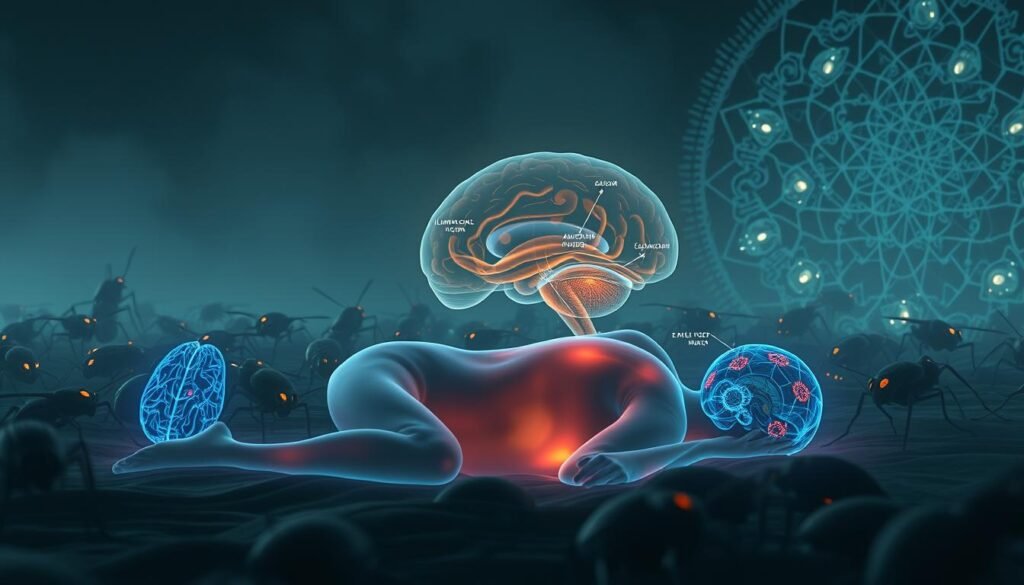
Dreams offer a peek into our minds, mainly during REM sleep. Scientists found that most vivid dreams happen in this stage. It’s when brain activity is most like being awake.
REM sleep is special because it’s when our brain works hard. It processes emotions and sensory experiences. This stage is key for our brain’s health.
Dream science shows a link between sleep stages and dream content. In REM sleep, our brain is very active. It creates detailed stories, sometimes with strange elements like insects.
These dreams are not just random. They show deep parts of our psychology.
REM sleep typically occurs 90 minutes after falling asleep
Dreams can last between 5-20 minutes
Brain activity during REM mimics wakeful states
Sleep cycles are important for dreams. Each cycle has different stages, with REM being the most dream-filled. Researchers have found how sleep stages affect dream complexity and emotions.
Sleep Stage
Dream Characteristics
Brain Activity
REM Sleep
Most Vivid Dreams
High Neurological Engagement
Non-REM Sleep
Less Intense Dreams
Lower Brain Activation
Learning about REM sleep helps us understand dreams, like those with insects. Our nighttime experiences are not just random. They are complex stories shaped by our brain’s work.
What Does It Mean to Dream About Bugs: Basic Interpretations
Dreams about bugs are more than just creepy crawly nightmares. They carry deep psychological and spiritual meanings. Whether you’re squirming or fascinated, bug dream meanings can unlock fascinating insights into your subconscious mind.
Insect symbolism in dreams varies widely, ranging from transformation to hidden anxieties. Your nocturnal bug encounters might be trying to tell you something significant about your waking life.
Exploring Positive Meanings in Bug Dreams
Not all bug dreams spell trouble. Some interpretations suggest positive outcomes:
Butterflies symbolize personal transformation
Bees represent community and collaborative efforts
Many spiritual traditions view bug dreams as powerful messages. Creepy crawlies aren’t just random—they’re potentially meaningful spiritual signals. Whether it’s a warning, guidance, or reflection of inner emotional states, these dreams demand attention.
Dream Symbolism of Different Bug Types
Insect dreams open a world of hidden messages from our subconscious. Each bug type has its own meaning in dreams, giving us clues about our feelings and thoughts. By understanding these bug dreams, we can discover deep insights about ourselves.
Dreams about certain insects often show us deeper parts of our psyche. Some bugs symbolize change, while others hint at our hidden worries or challenges.
Ants: Represent collective work and organizational skills
Butterflies: Symbolize personal transformation and growth
Beetles: Indicate resilience and adaptability
Ladybugs: Signal good luck and positive changes
Every insect in your dream has its own special meaning. By recognizing these symbols, we can grasp our subconscious thoughts and feelings. Dreams about specific insects can reveal parts of our personality we might not know.
The way the insect acts in your dream is very important. Are they moving together, being calm, looking scary, or changing? These actions give us deeper insights into our mental state.
Dream analysts say it’s key to notice how you feel during these dreams. Your emotions help us understand the true meaning of your insect dreams.
Cockroach Dreams and Their Hidden Messages
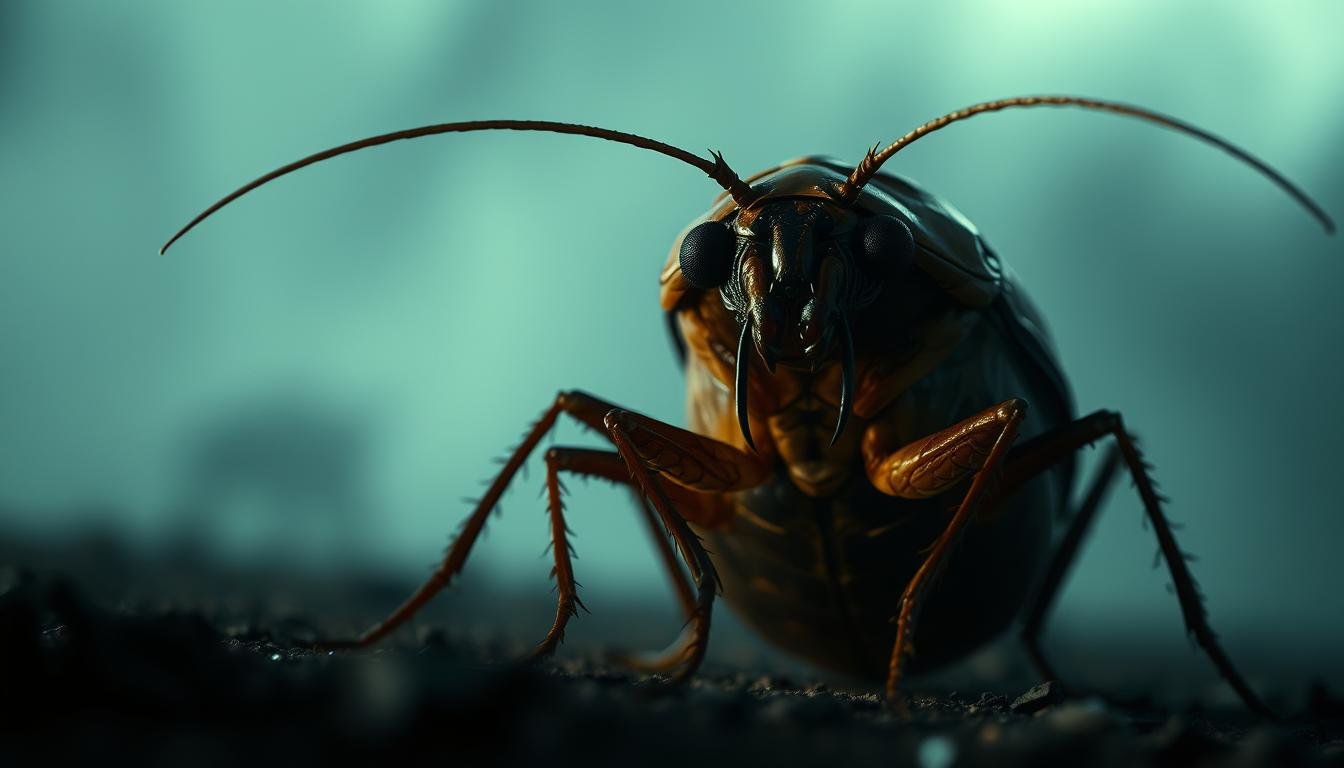
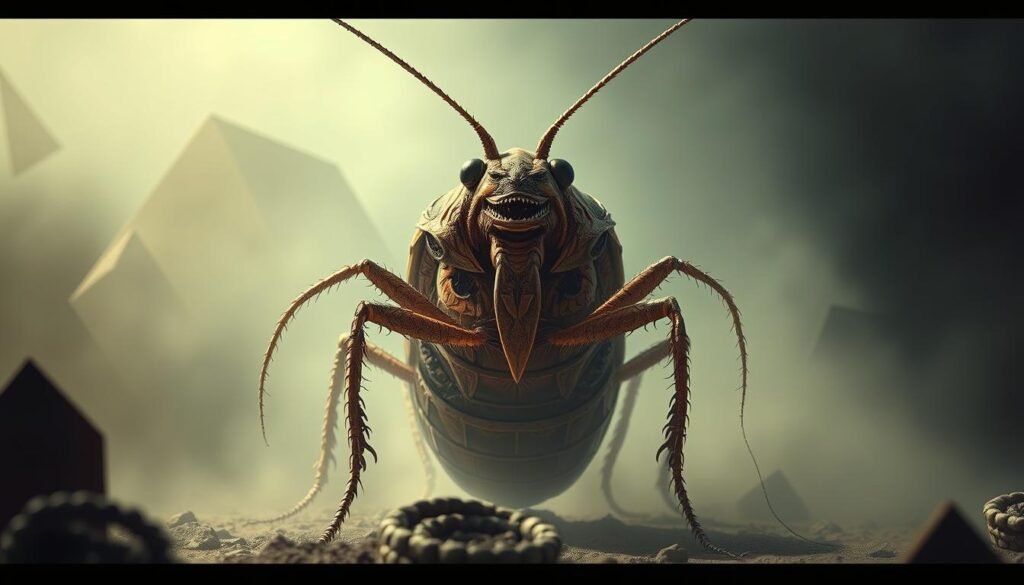
Dreams about cockroaches can make us feel very emotional. These dreams are full of deep meanings in nightmare interpretation and dream analysis. They usually show our hidden fears and worries we haven’t faced yet.
Cockroach dreams can take many forms, each revealing something special about our minds. Researchers have found several important patterns in these dreams.
Cockroach dreams often show what we’re feeling inside. These nightmares might mean:
Feelings of vulnerability
Unresolved personal contamination fears
Subconscious stress about invasive situations
Deep-seated anxiety about losing control
Experts say cockroach dreams often symbolize the challenges we face in our minds.
Cultural Perspectives on Cockroach Dreams
Different cultures see cockroach dreams in their own ways. Learning about these views helps us understand nightmares better.
Cultural Background
Dream Interpretation
Western Psychological
Symbol of resilience and survival
Eastern Spiritual
Representation of transformation
Indigenous Traditions
Warning about hidden threats
Cockroach dreams offer a peek into our subconscious, showing us complex emotions through symbols.
Butterfly Dreams: Transformation and Change
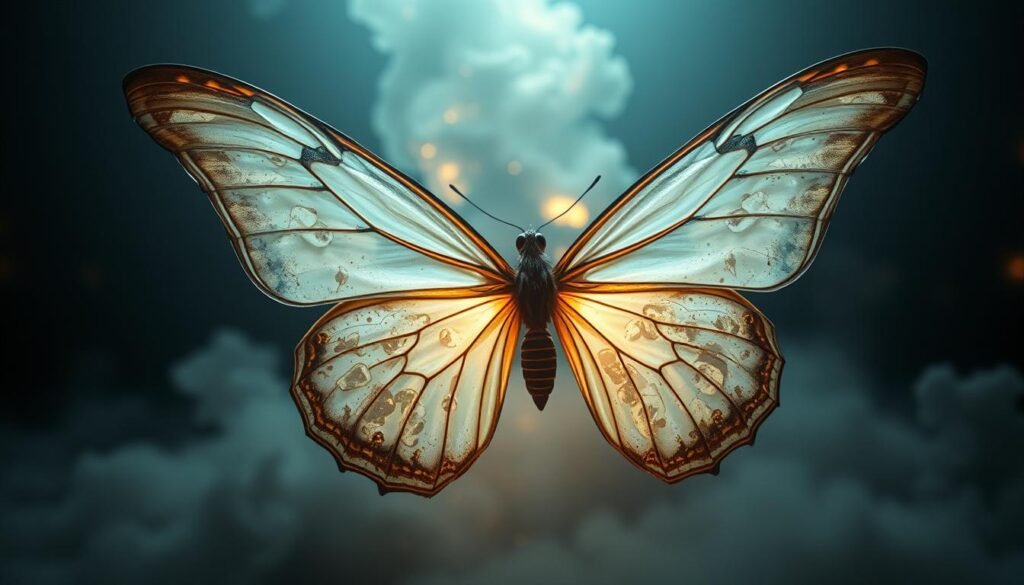
Butterfly dreams show us moments of big personal growth and emotional change. They often mean big life changes, like a caterpillar turning into a butterfly. These dreams tell us we can grow and break free from limits.
When you dream about butterflies, your mind is sharing important messages:
Embracing personal transitions
Releasing past emotional constraints
Discovering hidden strengths
Preparing for significant life shifts
Butterfly dreams are linked to deep psychological changes. Research shows they happen when we’re growing a lot. The butterfly symbolizes our ability to change and grow spiritually.
To understand butterfly dreams, look closely at the details. Notice the butterfly’s color, how it moves, and where it is. A bright, flying butterfly means you’re growing well. A struggling butterfly shows you’re facing emotional challenges.
Your butterfly dream is a call to explore your inner world. It invites you to accept change and see your own power to transform. Trust the growth happening in your mind.
Spider Dreams and Their Deeper Meaning
Dreams about spiders are complex and offer deep insights into your subconscious. They reveal layers of personal symbolism and emotional landscapes. These dreams often connect to creativity, feminine energy, and personal growth.
Exploring web symbolism in dreams reveals important insights. Spiders usually symbolize complex connections, patience, and the networks of human relationships.
Web Symbolism in Dreams
Dream webs symbolize many psychological ideas. They can mean:
Building personal boundaries
Being emotionally connected
Dealing with complex life situations
Using subtle communication
The detailed nature of spider webs reflects the emotional patterns we face in life. Web symbolism shows how we build and keep relationships through careful, strategic actions.
Different Types of Spider Dreams
Arachnid dreams come in many forms, each with its own meaning:
Dream Type
Psychological Interpretation
Spinning Web
Creative ability and planning for life
Spider Attacking
Unresolved fears or hidden anxieties
Peaceful Spider Encounter
Personal change and emotional growth
Understanding these dream types offers deep insights into your emotional subconscious. It helps you understand the subtle messages your mind sends through spider dreams.
Ant Dreams: Community and Work Ethics
Dreams about ants offer deep insights into your subconscious. They show how you see work and community. Ants symbolize teamwork, organization, and strong social bonds.
Ant dreams can reflect many parts of your life. They might tell you about your teamwork, work productivity, or feeling part of a group.
Your current approach to teamwork and collaboration
Feelings about workplace productivity
Personal sense of individual contribution within a larger group
A lone ant in your dream might signal feelings of isolation. On the other hand, a busy ant colony could mean you want closer community ties or better work relationships.
Understanding these dreams needs looking at the context and feelings behind them. Different ant scenarios in dreams can give unique insights into your mind:
Ants working together smoothly suggest harmonious team dynamics
Struggling ants might represent workplace challenges
Ant invasions could symbolize overwhelming professional pressures
Your ant dreams might be urging you to think about your work ethics and teamwork. They encourage you to reflect on how you help achieve group goals and handle your own tasks.
Flying insect dreams are fascinating, showing us deep parts of our minds through winged creatures. Dreams about bees, wasps, moths, and dragonflies have deep meanings. They go beyond just being dreams.
Dreams about flying insects often show our complex feelings. They can mean change, talking, and secret messages from our subconscious. Learning about their symbols helps us understand ourselves better.
Bee Dream Interpretations
Bee dreams are about community, hard work, and working together. They might mean:
Teamwork and social connections
Personal productivity
Organizational skills
Potential creative breakthroughs
Wasp Dreams and Their Significance
Wasp dreams often show a more aggressive side. They might mean:
Potential workplace conflicts
Unresolved emotional tensions
Defense mechanisms
Warning signals about relationships
Moth and Dragonfly Dream Meanings
Moths and dragonflies are about change and being flexible. They symbolize:
Personal metamorphosis
Spiritual awakening
Navigating life’s complex transitions
Inner light and intuition
Flying Insect
Dream Interpretation
Emotional Significance
Bee
Community and Productivity
Collaborative Energy
Wasp
Potential Conflict
Defensive Mechanisms
Moth
Transformation
Spiritual Growth
Dragonfly
Adaptability
Personal Change
Recurring Bug Dreams and Their Significance
Recurring dreams about bugs often carry deep subconscious messages. These dreams reveal insights into your mental state and emotions.
Studies show that bug dreams usually point to unresolved conflicts or ongoing anxieties. Your subconscious mind uses these dreams to share hidden fears or emotional stress.
Frequent bug dreams might indicate:
Underlying personal insecurities
Unaddressed workplace stress
Feelings of being overwhelmed
Understanding dream patterns requires careful introspection. Each repetitive bug dream serves as a unique psychological map, guiding you toward self-discovery and emotional resolution.
Bug Dream Type
Potential Psychological Meaning
Repeated Cockroach Dreams
Feelings of vulnerability or persistent workplace challenges
Recurring Spider Dreams
Complex emotional entanglements or fear of manipulation
Constant Ant Dreams
Organizational stress or community-related anxieties
Dream analysts recommend keeping a dream journal. By writing down dream details, you can spot patterns and understand your subconscious messages.
Recommended tracking methods:
Write dream details immediately upon waking
Note emotional responses during the dream
Identify recurring bug types and scenarios
Your bug dreams are not random—they’re sophisticated communication channels from your inner psychological landscape, waiting to be understood and decoded.
Bug Invasion Dreams: Collective Interpretation
Ever had a dream where creepy-crawly creatures invaded your space? These dreams are more than just random thoughts. They carry deep meanings about our inner world.
Dreams about swarms of insects often show our deep emotional struggles. They might be our mind’s way of dealing with big feelings. These can include:
Loss of personal control
Overwhelming social pressures
Fear of being consumed by external forces
Anxiety about personal boundaries
When you dream of being invaded, it’s like your brain is shouting, “Houston, we’ve got a problem!” These dreams often happen when we feel powerless or invaded. This can be in our jobs, relationships, or even our own homes.
Studies show that these dreams are not just personal. They reflect common fears about chaos, vulnerability, and losing our identity in big groups.
Researchers have found some key patterns in these dreams:
Swarming represents feeling overwhelmed
Insects symbolize persistent challenges
Dream intensity correlates with real-life stress levels
So, if you wake up from a bug invasion dream feeling scared, remember. Your subconscious is exploring deeper emotional landscapes. It’s not just a horror movie in your head.
Historical Perspectives on Insect Dreams
Dream history shows us a journey into the world of insect dreams. For centuries, people have tried to understand the secrets in their dreams, focusing on those with insects.
For thousands of years, dream interpretation has been a big part of cultures. Ancient societies created complex ways to figure out what dreams mean, including those with insects.
Ancient Dream Interpretation Methods
In ancient times, people looked at insect dreams in a very detailed way. Scholars and spiritual leaders made systems to understand these dreams:
Mesopotamian dream interpreters used clay tablets to record symbolic meanings
Greek philosophers developed sophisticated dream analysis techniques
The oldest big work on dream interpretation is Oneirocritica by Artemidorus Daldianus. It was written in the 2nd century A.D. and has over 3,000 dream accounts.
Modern Psychology Approaches
Today, we see insect dreams in a new light thanks to science. Psychologists see them as a way to peek into our subconscious.
Psychological Approach
Interpretation Method
Jungian Analysis
Symbolic representation of inner psychological states
Freudian Interpretation
Unconscious desires and repressed emotions
Cognitive Psychology
Neural processing of daily experiences
Now, researchers use tools like neuroimaging and dream journals. They’re making new discoveries, mixing old wisdom with new science.
Bug Dreams During Different Sleep Cycles
Understanding bug dreams means looking into sleep stages and dream cycles. Your dreams about insects are not random. They are linked to specific sleep phases, mainly REM sleep dreams.
Dreams about bugs change in different sleep stages. In REM sleep, your brain works hard. This makes dreams vivid and complex, often with detailed insect scenes.
REM Sleep: Most intense dream cycle
Non-REM Sleep: Less detailed dream experiences
Slow Wave Sleep: Minimal dream content
Research shows sleep stages affect dream complexity. REM sleep dreams are more detailed. Non-REM stages have shorter, less story-like dreams.
Sleep Stage
Dream Characteristics
Bug Dream Potentia
REM Sleep
Vivid, complex narratives
High detailed bug interactions
Light Non-REM
Brief, disconnected images
Minimal bug representations
Deep Non-REM
Minimal dream activity
Rare bug dream occurrences
Your brain’s activity in different sleep stages shapes bug dreams. REM sleep is best for detailed bug dreams.
Common Patterns in Bug-Related Nightmares
Nightmare analysis shows us how our subconscious minds turn insect fears into scary dreams. These dreams can make us feel really uneasy.
Studies have found certain dream patterns when bugs are in our nightmares. Students in dream studies often see the same themes. These themes show deep psychological fears.
Large insects indicating perceived threats in waking life
A study across Canadian universities found interesting differences in bug nightmares. Female students had more dreams about insect-snake phobias.
Nightmare Type
Frequency
Psychological Interpretation
Cockroach Invasion
32%
Feelings of contamination or loss of control
Spider Web Entrapment
24%
Sense of being emotionally constrained
Bee/Wasp Attacks
18%
Perceived workplace or social pressures
Understanding these nightmare patterns can give us insights into our subconscious fears. Our bug dreams are not random. They carry complex messages from our subconscious.
How to Process and Understand Your Bug Dreams
Unlocking the secrets of bug dreams requires special techniques. These methods help us dive deep into our subconscious. It’s a journey to discovering ourselves.
Dream journaling is a key tool for exploring bug dreams. It lets you record and understand the symbols in your dreams. This way, you can uncover hidden messages from your subconscious.
Effective Dream Journaling Strategies
Keep a notebook and pen beside your bed
Record dreams immediately upon waking
Capture detailed sensory experiences
Note emotional reactions during the dream
Self-Analysis Methods for Dream Interpretation
Learning to analyze your dreams is like being a detective. Each bug dream holds clues about your emotions. It’s a way to understand what’s going on inside you.
Dream Element
Potential Psychological Insight
Bug Type
Represents specific emotional triggers
Dream Setting
Reflects current life circumstances
Emotional Response
Indicates unresolved psychological tension
Experts say to look for patterns in your bug dreams. Connect these patterns to your everyday life. It helps you understand your dreams better.
By journaling your dreams and analyzing them, you’ll get to know your subconscious. You’ll learn to understand the symbols and messages it sends through bug dreams.
Ways to Address Bug-Related Dream Anxiety
Dreams about bugs can be really scary, but there are ways to deal with them. Understanding that these dreams are symbolic, not real, can help. This knowledge can make them less scary.
Start by relaxing before bed with meditation or deep breathing. Writing down your dreams can also help you see patterns. This can show you what’s really bothering you.
Using cognitive behavioral techniques can also help. Make your bedroom calm and avoid screens before bed. Mindfulness can also help you relax. If dreams about bugs keep bothering you, talk to a sleep expert or psychologist.
Try to see bug dreams as chances to learn about yourself. Instead of fearing them, be curious. This can turn scary dreams into chances for growth and understanding.